

Shin Splints / Medial Tibial Stress Syndrome after Returning to Sport? Why They Happen and What to Do
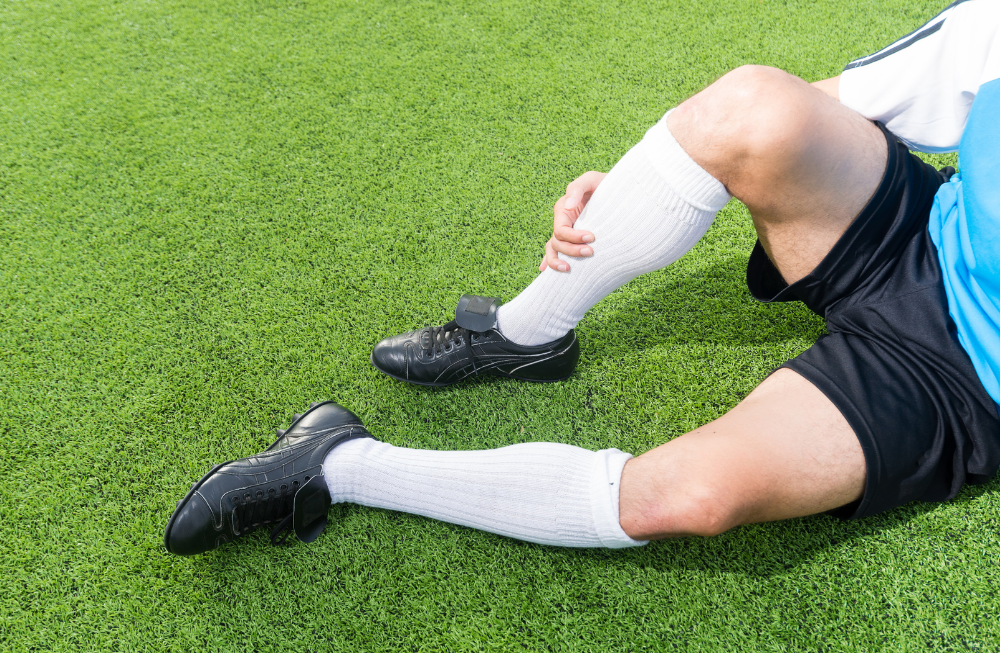
Every autumn, we start hearing the same thing in our clinic. Football and netball training are back, running clubs are busier, and people are returning to exercise after a quieter summer. A few weeks in it can start to appear. It might begin as a dull ache down the front or inside of the lower leg, then become more noticeable during or after training.
It often feels as though the problem has appeared from nowhere. In reality, leg pain after returning to sport is usually linked to a change in load. Your legs are being asked to do more than they have recently been used to, and they have not had enough time to adapt.
Shin splints is the common name for exercise-related pain and tenderness along the shin or also known as the Tibia, often referred to clinically as medial tibial stress syndrome (MTSS). It is common in people who run, jump or take part in sports involving repeated changes of direction.
What is medial tibial stress syndrome?
MTSS usually causes pain along the front or inner edge of the tibia bone. The discomfort is often spread over an area rather than sitting in one small, precise spot.
Some people notice that the ache eases once they warm up, only to return later in the session or afterwards. The tibia can also feel tender when pressed. Symptoms vary, so it is worth getting persistent leg pain checked rather than trying to diagnose it yourself.
The exact process behind MTSS is still being studied. What we do know is that it is a load-related problem. Repeated stress through the tibia and surrounding tissues can become painful when training increases faster than the lower leg can adapt.
Why does this happen when you return to sport?
A sudden increase in training is one of the most common patterns we see. Someone may have had several quieter weeks, then return to three football sessions, a weekly run and a weekend match almost immediately. Fitness may come back quickly, but the muscles, bones and tendons of the lower leg still need time to adjust to repeated loading.
The same applies when you increase running distance, speed or frequency. A change that does not feel dramatic on paper can add hundreds or thousands of extra loading cycles through the lower leg each week.
Footwear can contribute too. Trainers may lose some of their cushioning or support before they look worn out. A shoe that worked well last season may also be less suitable if your training, running surface or activity has changed.
The surface matters as well. Moving from grass to hard courts or pavements changes how your body absorbs force. Sudden changes in terrain, hill work or training intensity can all ask more of the lower leg.
Movement through the foot and ankle can also play a part. In some people, greater inward movement of the foot, limited ankle movement, calf tightness or reduced strength elsewhere in the lower limb may change how load is managed. None of these factors should be looked at in isolation. Two people can have very similar leg pain for completely different reasons.
When should you get leg pain checked?
MTSS can sometimes start quietly. You may notice a bit of tightness after training or discomfort the following morning. If the symptoms keep returning, are getting worse or are starting to affect how you walk or train, it is worth finding out what is driving them.
Not every pain around the tibia is MTSS. A proper assessment helps work out why the area is being overloaded and what needs to change before you return to your usual level of activity.
How a musculoskeletal assessment can help
Our Clinical Director, Edward Double, has a particular interest in sports medicine and musculoskeletal podiatry. Leg pain, running injuries and lower-limb problems are the kind of issues he sees regularly in the clinic.
During an MSK assessment, Ed will ask about when the pain started, what your training has looked like and whether anything changed before the symptoms appeared. He may look at how your feet and ankles move, joint mobility, muscle strength, flexibility, footwear and how the rest of your lower limb is working.
This matters because the painful area is only part of the picture. The goal is to understand what is creating too much load through the lower leg and give you a plan that fits your sport, activity level and day-to-day life.
How is it treated?
There is no single treatment that suits everyone. If a sudden training increase is the main problem, the first step may be reducing the activity that is aggravating the tibia and then rebuilding it at a level your body can tolerate.
Your plan may include changes to training volume, calf or lower-limb strengthening, mobility work or footwear advice. The aim is to help the area settle while improving its ability to cope with the demands you want to place on it.
Orthotics can help some people when foot mechanics are contributing to the way load is passing through the lower leg. They are not a standard treatment for every case. Ed will only recommend them when the assessment suggests they are likely to be useful.
As symptoms improve, training can be built back gradually. That progression matters. Feeling better after a period of rest does not always mean the lower leg is ready to return straight to the same distance, speed or number of sessions as before.
Getting help with MTSS
If your training has picked back up and your leg has started hurting, it is worth understanding why rather than waiting for the problem to keep returning.
At Epsom Footcare, we will look at what is happening through your feet, ankles and lower limbs, explain what we find in plain terms and give you a clear plan for getting back to running, football, netball, five-a-side or simply walking comfortably again.
Book a musculoskeletal assessment with Ed or call our Patient Care Team on 01372 723000.