

Buying Kids’ School Shoes: A Podiatry Guide
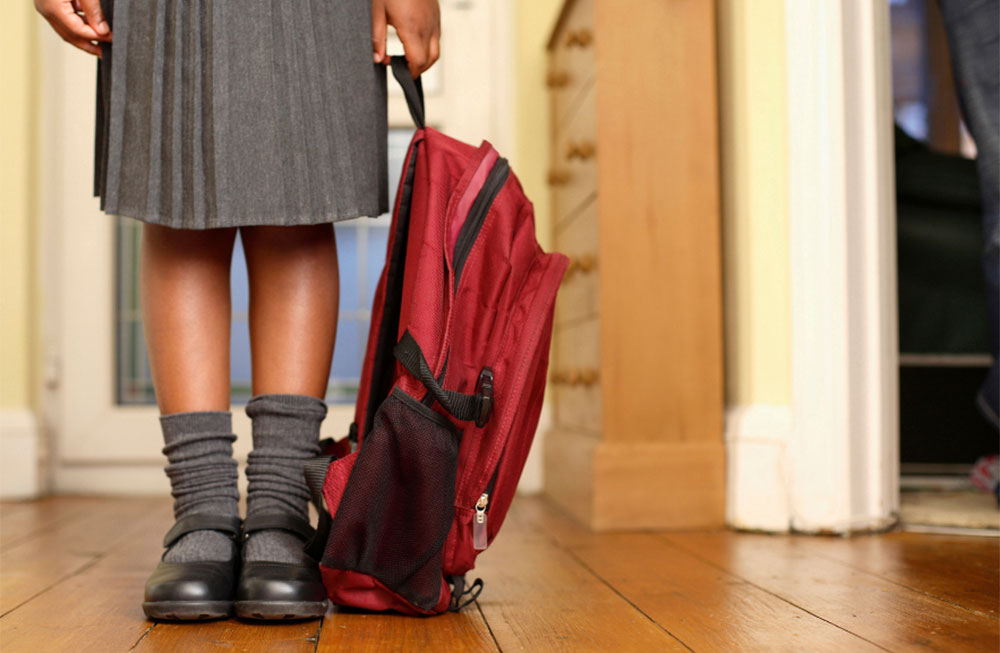 Buying kids’ school shoes isn’t just about style or price. Your child’s feet need the right fit and support to stay comfortable and healthy all day. Poor shoe choices can cause pain, affect posture or even lead to long-term foot issues. This guide gives you clear advice on buying school shoes and how to choose the right ones for kids with specific foot conditions.
Why Proper School Shoes Matter
Kids’ feet are still growing. They need shoes that fit correctly and support their developing arches. The wrong shoes can cause:
- Blisters and calluses.
- Poor posture and balance.
- Foot pain or injuries.
- Problems with walking and running.
Wearing the right shoes during school hours supports healthy feet and helps your child stay active and comfortable.
What to Look for When Buying School Shoes
Focus on these features:
- Correct fit: About 1 to 1.5 cm longer than the longest toe. Width should be snug but not tight.
- Support: Firm heel counter and sole with some flexibility. Avoid completely flat or very soft soles.
- Breathability: Leather or mesh materials reduce sweat and fungal risk.
- Fastening: Secure laces or velcro to hold the foot in place.
- Durability: Strong stitching and soles to withstand daily wear.
Measuring and Fitting Tips
- Measure both feet and fit to the larger one.
- Measure late in the day when feet are slightly swollen.
- Try shoes with school socks.
- Preferably buy from a shoe shop rather than online.
- If the shoe has a removable sockliner (insole) take this out and get your child to stand on it. No part of the foot should overlap the edges of the liner and there should be room past the longest toe (not always the big toe) for movement and growth. The foot lengthens as it takes the weight of the body.
Common Mistakes
- Avoid buying shoes a bit larger than necessary to allow for growth. Too much space causes instability. Follow the fitting suggestions above.
- Overlooking support because shoes are only being worn for short periods. Support is needed all day and damage to the foot can occur quickly in a poorly fitting shoe.
- Choosing style over fit. Not all shoes are suitable for all feet.
- Not checking the fit regularly. Kids’ feet grow fast. Make sure the fit is checked regularly regardless of external wear.
Buying Shoes for Specific Foot Conditions
It is a myth that flat feet or high arches are a problem in children. If your child experiences foot, leg, hip or back pain then you should consult a podiatrist for specific advice on the problem and specific footwear that may help.
Helping Your Child Adjust to New Shoes
- Let your child wear new shoes for short periods at home first.
- Use blister plasters if rubbing happens.
When to Replace School Shoes
- Sole is worn or uneven.
- Heel counter is soft or crushed.
- Shoes cause discomfort or blisters.
Final Advice
Good school shoes protect your child’s feet and support their daily activity. Fit and support matter more than style or price. Measure carefully, buy supportive shoes and watch for foot issues. For kids with foot conditions, seek podiatrist advice before buying.
If you want help finding brands or shoes that suit your child’s needs, book an appointment with our podiatry team. Proper footwear is an investment in your child’s foot health.
Book online or call our Patient Care Team on 01372 723000.