

Nail Surgery: What It Is, Who It Helps and What to Expect
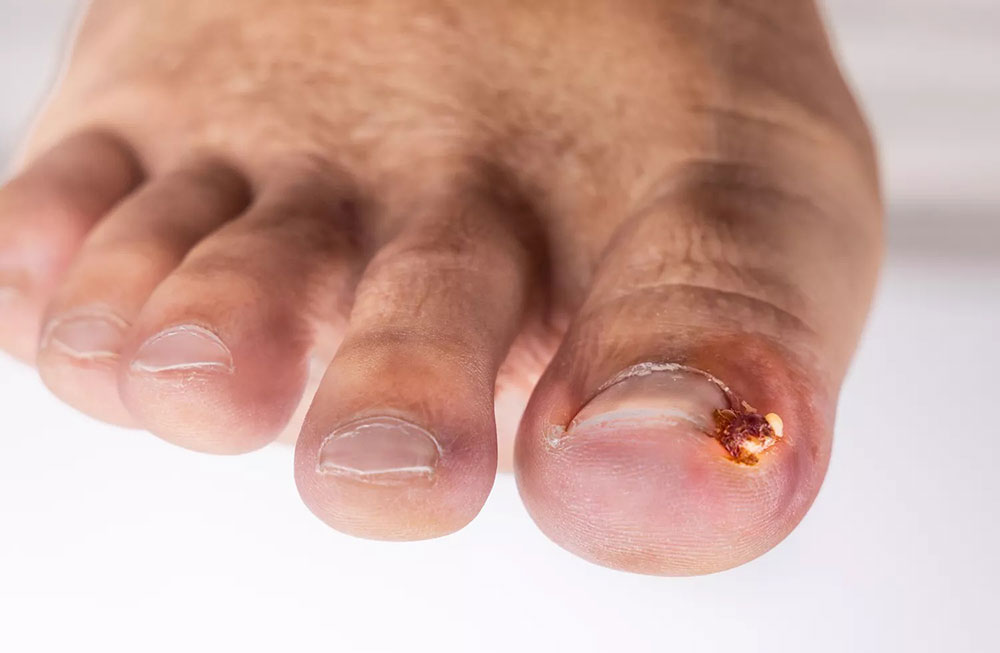 Nail problems can be painful, frustrating and sometimes affect your confidence too. When an ingrowing toenail or recurring infection will not settle with routine treatment, minor nail surgery can offer lasting relief.
At Epsom Footcare we see many people who have tried for months to manage painful toenails on their own before seeking help. The good news is that nail surgery is a simple, effective and permanent solution for many of these problems.
This guide explains what nail surgery is, who it is for, what the procedure involves and what recovery looks like.
Why nail surgery is needed
Nail surgery is most often done to treat ingrowing toenails. An ingrowing toenail happens when the edge or corner of the nail penetrates the skin next to it. This can cause redness, swelling, pain and often some degree of bacterial infection.
Common reasons people develop ingrowing toenails include cutting toenails too short or cutting down the slides of nails, wearing shoes that are too tight or narrow, naturally curved or thickened nails that are either naturally occurring or have been caused by trauma or injury. Fungal infections that change the shape of the nail can also cause these issues.
Whilst mild cases can often be managed with conservative care such as gentle trimming or footwear advice, persistent or severe cases may require the removal of part or all of the offending nail to prevent the problem from coming back. This is when we recommend nail surgery as a permanent solution.
Who nail surgery is for
Nail surgery is suitable for adults and children who have recurring ingrowing toenails that keep becoming painful or infected, find it too uncomfortable to wear shoes or take part in sport, have thickened or distorted nails that dig into the surrounding skin or struggle with self-care due to mobility issues or other health conditions.
We also perform nail surgery for cosmetic reasons, such as removing a permanently damaged or discoloured nail that no longer grows normally.
If you are unsure whether surgery is right for you, a podiatrist will assess your nails, discuss your symptoms and talk through your options. The podiatrist will let you know if nail surgery is appropriate in your case.
Benefits of nail surgery
The main aim of nail surgery is to remove the part or all of the nail causing discomfort so you can walk, exercise and wear shoes comfortably again.
The key benefits include permanent relief, a quick procedure, minimal downtime, improved comfort and mobility and better nail appearance after recovery.
What happens before the procedure
Before surgery your podiatrist will carry out a full assessment to make sure you are suitable for treatment. They will check your medical history, any medication you take and your circulation. This is also your chance to ask any questions and talk through any concerns.
You will be advised on what to wear to your appointment and we recommend that you eat and drink normally before the procedure. You will need someone to drive you home or accompany you if possible, as your toe will be numb for a few hours afterwards and driving whilst under local anaesthesia may invalidate your insurance.
The nail surgery procedure
The procedure is carried out in the clinic under local anaesthetic which means the toe is completely numb but you remain awake. The anaesthetic is given through a small injection into both sides of the base of the toe which may sting briefly but only for a few seconds.
Once the toe is numb your podiatrist will place a small band around it to reduce bleeding and then remove either part of the nail (partial nail avulsion) or the whole nail (total nail avulsion). A chemical called phenol may be applied to the base of the nail to prevent regrowth. After removal, the area is cleaned and dressed with a sterile dressing. You can rest in the clinic for a few minutes before leaving.
Aftercare and recovery
After surgery your podiatrist will give you clear written and verbal aftercare instructions. It is important to follow these carefully to ensure a smooth recovery.
In the first 24 to 48 hours:
- Keep your foot elevated when possible to reduce swelling
- Rest and avoid long walks or standing for long periods
- Keep the dressing dry and clean, and take mild pain relief if needed. Most people report little or no discomfort once the anaesthetic wears off.
- Avoid driving for 24 hours after the procedure. The local anaesthetic can affect movement and reaction time, and your toe will still be tender once the numbness wears off.
Wear open-toed or loose-fitting shoes to avoid pressure on the dressing and to help the toe stay comfortable while it heals.
Changing the dressing:
You will usually be asked to return to the clinic within a few days for dressing changes and review. The podiatrist will check that the toe is healing well and reapply a sterile dressing.
At home you may be asked to:
- Bathe the toe daily in warm salty water once advised it is safe to do so
- Keep the area covered until it has healed and new skin has formed
- Continue wearing open-toed or loose shoes until you can comfortably wear your usual footwear again.
Healing time:
Everyone heals slightly differently but most toes heal within 4 to 6 weeks. You will have regular reviews during this time to make sure everything is progressing well.
Returning to daily activities
You can usually walk immediately after surgery although your toe will feel numb for a few hours. Most people return to normal routines within a couple of days. If your job involves a lot of walking or standing your podiatrist may advise taking a few days off to rest.
Sport and swimming should be avoided until your podiatrist confirms the toe is fully healed.
What to expect after healing
Once the area has healed the toe will look tidy and natural. If part of the nail was removed it will be slightly narrower but most people find it looks normal and feels far more comfortable.
Because the problem part of the nail has been treated at the root the pain should not return. You can wear your usual footwear, take part in sport and go about daily life without discomfort.
When to contact your podiatrist
While nail surgery is very safe you should contact your podiatrist if you notice any of the following: increasing pain, redness or swelling, discharge or signs of infection, or if the dressing becomes wet or loose before your review appointment. Prompt advice ensures any minor issues are dealt with quickly.
Why choose Epsom Footcare for nail surgery
At Epsom Footcare we understand that the idea of nail surgery can sound daunting but it really is a straightforward and highly successful procedure. We carry out nail surgery regularly in a calm and supportive setting, making sure every patient feels informed and comfortable throughout.
Our team will talk you through every step from your initial assessment to your final review and make sure you have all the guidance you need for a smooth recovery.
No one should live with ongoing pain from a toenail problem. Whether you have a persistent ingrowing toenail or a nail that keeps becoming infected, we can help you find lasting relief and get back to feeling comfortable again.
If you’re struggling with an ingrown toenail, book your initial consultation online. Alternatively, contact our Patient Care Team on 01372 72300 or email enquiries@epsomfootcare.co.uk.